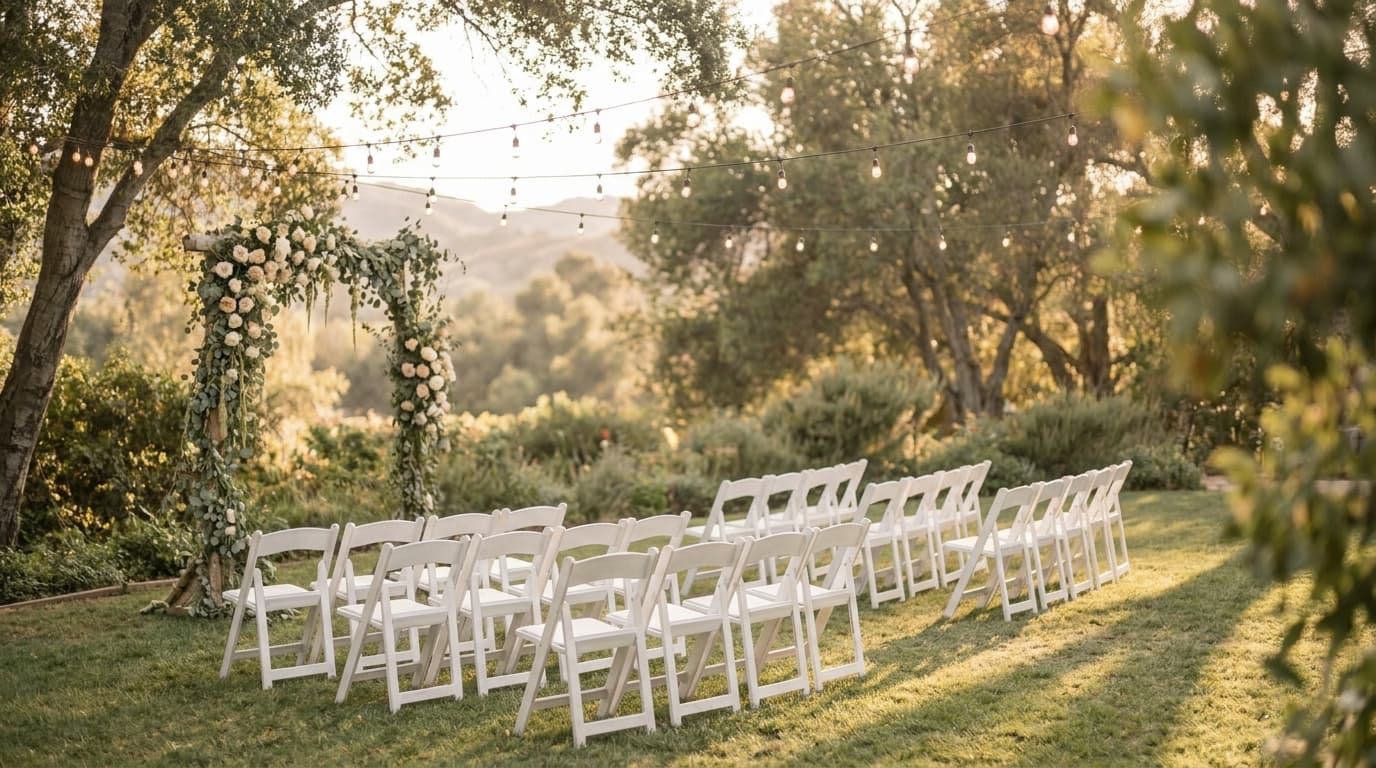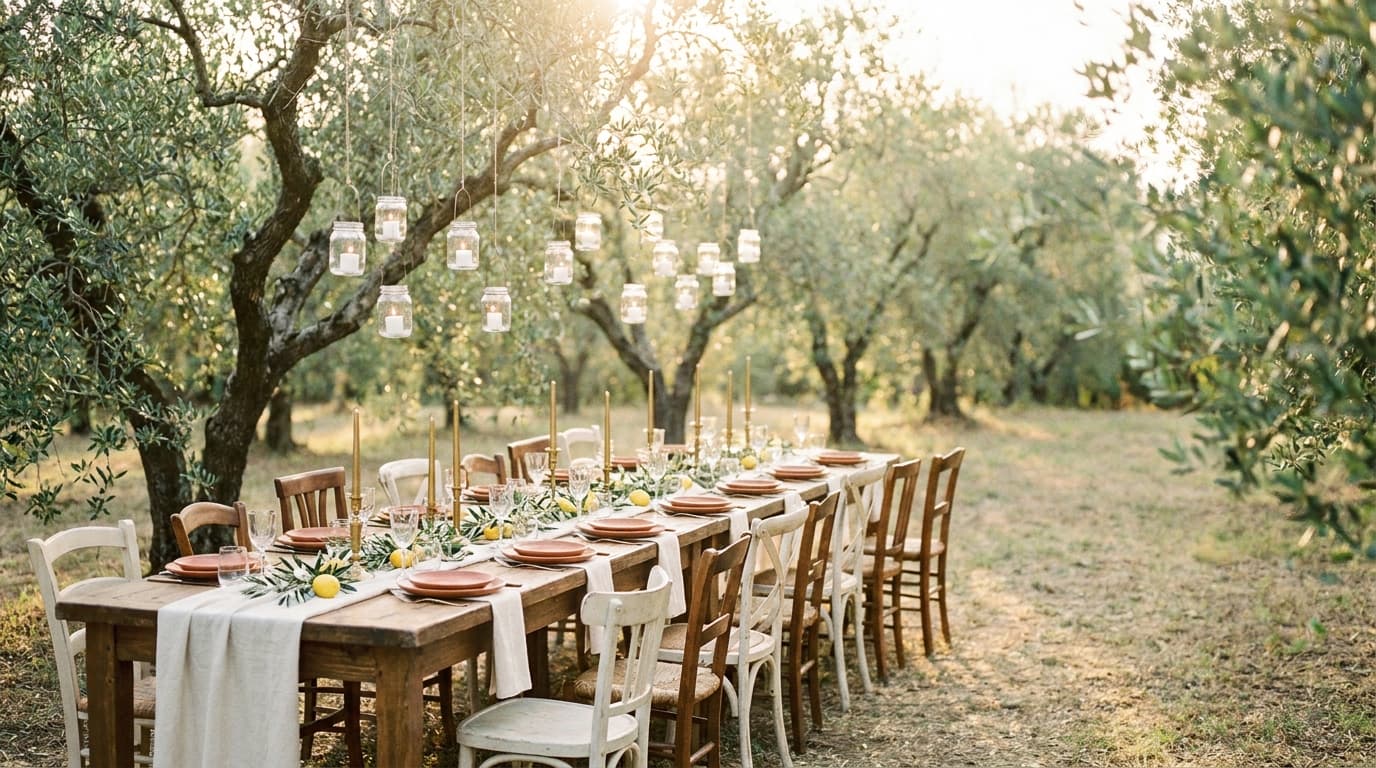
For the first time in a decade, the average wedding guest list isn't growing — it's shrinking. The Knot, surveying over 80,000 couples, pegs the typical 2026 guest count at just over 100, down from around 120 a few years ago. Below that, micro-weddings of 50 or fewer are quietly becoming the format more couples actively choose. Something has shifted in what couples want a wedding to do.
What the numbers actually say
The pre-pandemic average wedding hovered around 130-140 guests in the US. By the end of 2025, that average had drifted down to 110. In 2026, several wedding-industry reports — Cedar Bay Farm, Bespoke-Bride, Marry Me Tampa Bay — converge on the same observation: micro-weddings (≤50) are the fastest-growing segment, and the median total guest count just keeps falling.
Couples aren't saying they want a worse wedding. They're saying they want a different one. Fewer people, longer dinner, a real conversation with everyone in the room. The phrase that keeps showing up in the surveys is "experience-driven."
And the budget pattern is just as interesting. Total wedding budgets aren't shrinking proportionally. They're being redistributed — fewer guests, but more per guest. Better food. Better photography. Live music. Custom menus. Cocktail hours that feel like dinner parties.
Why this is happening now
Three forces are colliding. First, money — weddings have gotten significantly more expensive per head, and couples are voting with their wallets to invite fewer people instead of going into deeper debt.
Second, the pandemic. The forced experiment of 2020-2021 weddings (15 people, backyard, immediate family only) accidentally taught a generation that small weddings can be incredibly meaningful. Couples who got married then often say it was the best version of the day they could have asked for.
"Couples are scaling back guest lists and reinvesting that budget into the people who are there, allowing for deeper personalization, better hospitality, and more meaningful interactions." — Cedar Bay Farm
Third, something less measurable. A growing distaste for the "performance" version of the day. Weddings as Instagram content. Weddings as social obligation. Weddings as the place you invite your boss because it would be weird not to. Couples in their late twenties and thirties are quietly opting out of the part of the ceremony that's for everyone else.
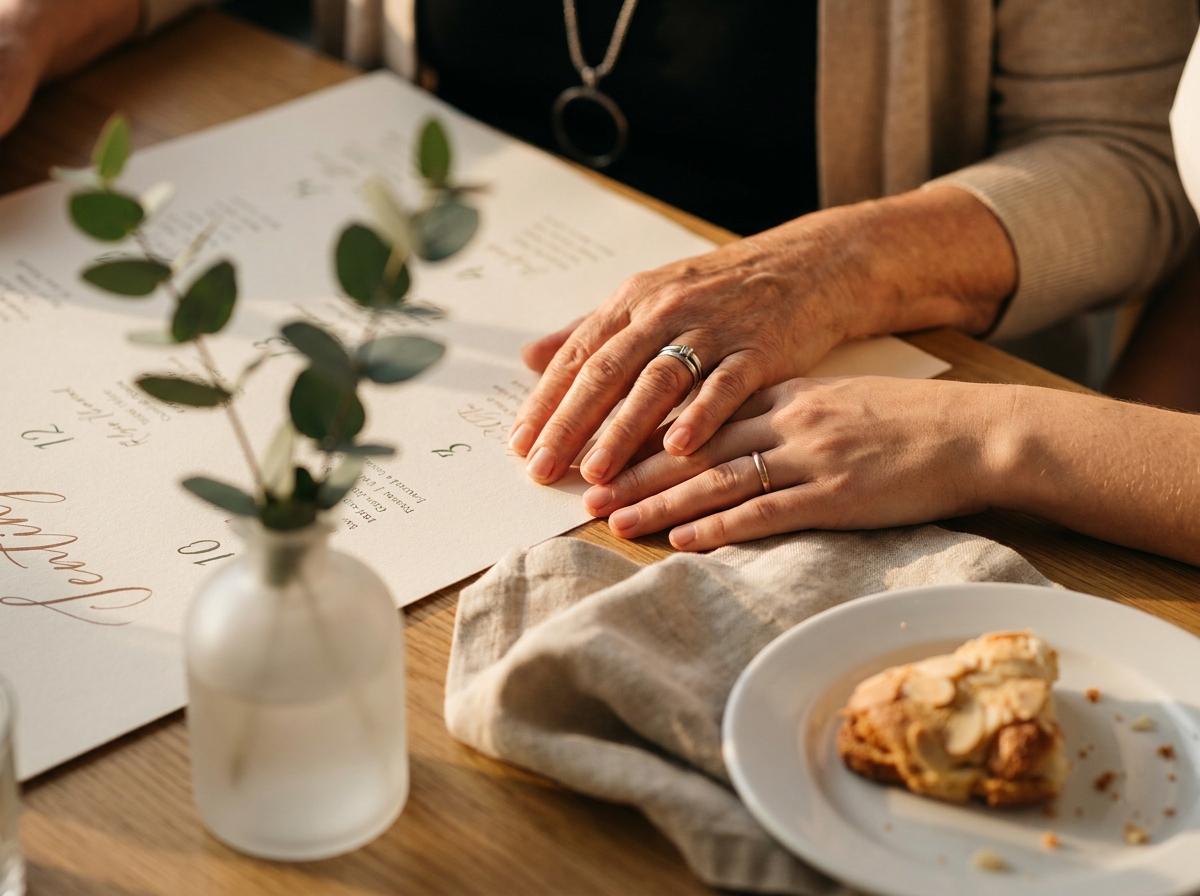
The deeper wedding gets when the guest list shrinks
A 200-person wedding is a logistics project. A 50-person wedding is a dinner party. The functional change is huge. At 200, you have a head table, a sweetheart table, a DJ, a schedule down to the minute. At 50, the bride and groom can actually have a five-minute conversation with every single person in the room. The day stops being a production and starts being a gathering.
That changes what people remember. Big weddings produce a lot of photos. Small weddings produce a lot of stories. The two are not the same. Decades from now, when couples sit down with their kids and try to explain their wedding, the small-wedding version has more material.
What gets harder when the wedding gets smaller
Smaller doesn't mean easier. Cutting a guest list from 150 to 50 means having 100 awkward conversations. The friend from college who assumed they were invited. The cousin you barely know. The work colleague who got invited to your last birthday. Couples report that this is the part of micro-wedding planning that takes the most emotional energy — not the venue, not the catering, but the explanations.
There's a quiet answer emerging in 2026: a thoughtful pre-wedding gift or message sent to the people not on the list. A digital memory book of the couple's relationship that closes the loop without inviting them to the dinner. It's not a replacement for being there, but it's also not nothing. It says: you matter enough for us to want you to know our story, even if you can't be in the room when we read it out loud.
The Couple Rewind moment
If you're getting married in 2026 with a smaller guest list, the people who aren't in the room are part of the planning problem. A Couple Rewind retrospective — a private timeline of your relationship with a physical QR code — is one way to send the people not on the list a version of the story without sending them a seat at the table. It also doubles as a wedding-eve gift for the people who are. Worth a look if you're building your own retrospective ahead of an intimate wedding.