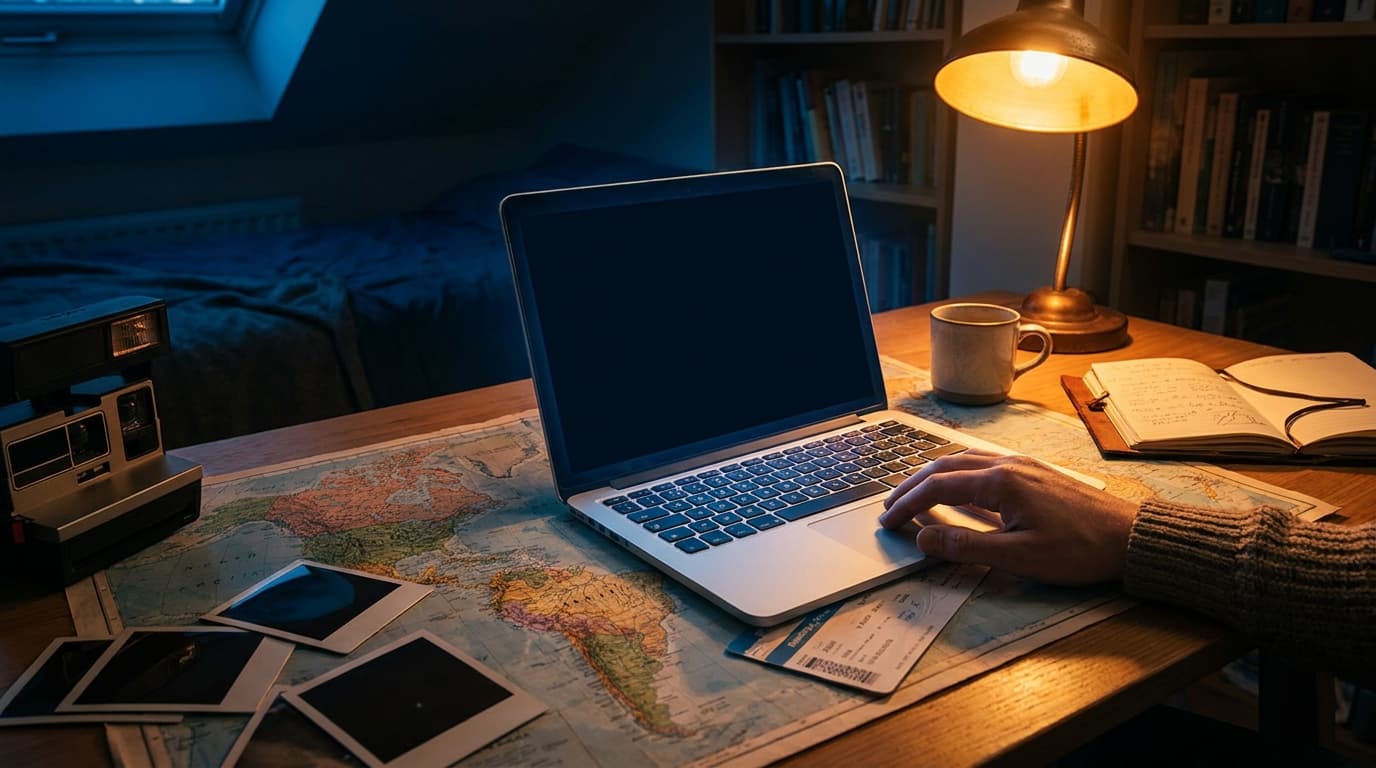
If you've scrolled TikTok this week you've seen them: grainy, slightly off-center Polaroids of couples who, until the moment the image rendered, had never been in the same room. Gemini and ChatGPT prompts are doing the impossible job of bringing two people together in a photograph that, in reality, would have required a plane ticket they couldn't afford.
What the trend actually is
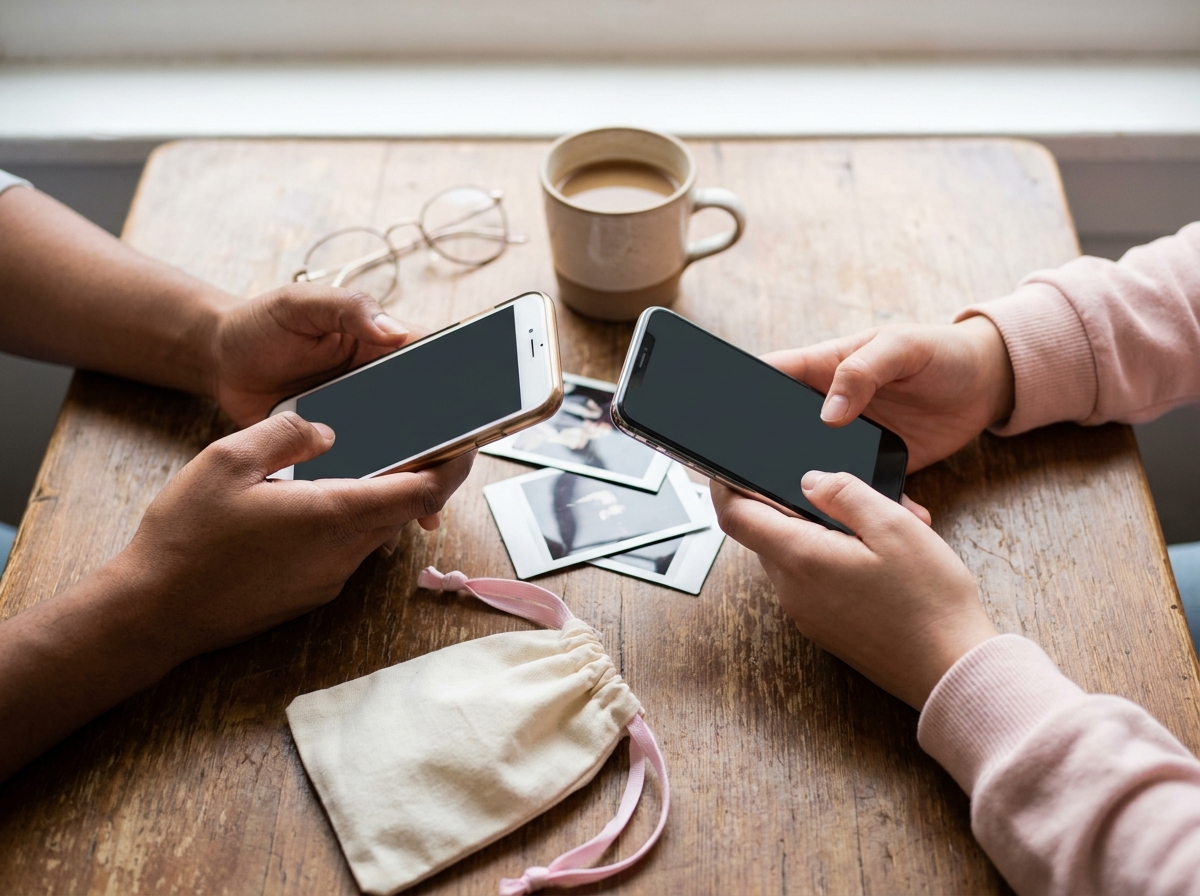
The mechanic is simple. One partner uploads a selfie. The other partner uploads theirs. A few sentences of prompt — "polaroid style, soft flash, late evening, sitting on a couch together, candid laughter, slightly imperfect framing" — and the model returns a single image where the two of them appear to be sharing a space they have never actually shared.
The results look like the back of a shoebox in your parents' closet. Slightly faded. The kind of photo nobody posed for. Which is why, paradoxically, they hit so hard.
According to a viral guide from GetAIPrompt this month, the most-saved prompts include scenes that long-distance couples obsessively imagine: cooking pasta together, watching a movie under one blanket, eating dumplings at midnight, falling asleep on a shoulder during a road trip. The mundane scenes. The ones nobody films.
Why the grain matters
The aesthetic choice is doing a lot of work. A glossy AI render of the two of you on a beach feels uncanny — too perfect, too plastic. A flash-lit Polaroid with bad exposure and a thumb half in the corner feels like a memory that just happened to get found.
"Romantic technology is transitioning from novelty to necessity, with AI, wearables, immersive environments, and smart commerce tools redefining how people meet, bond, and express affection." — IM Founder
That's the trick: imperfection reads as honesty. The brain knows that a Polaroid is a slice of life nobody curated, so even when the slice was generated by a model, it slides into the same emotional drawer as the real ones. For couples who haven't been able to physically be together — military partners, immigration cases, work-abroad arrangements, expensive cross-continental relationships — that drawer used to be empty for entire phases of their love story. Now it isn't.

The complicated part
There's a quiet ache underneath the trend. Long-distance couples don't generate these photos because they're fun. They generate them because they hurt — because the alternative is having no photographs together at all for the year, the two years, the six years that the relationship spans the distance.
And there's a second ache: a sneaking suspicion that the AI version is somehow filling a hole that the real version was supposed to fill. Some couples report that after a few weeks of generating these, they crash. The fake Polaroids of the dinner that never happened make the absence of the dinner sharper, not softer.
So the trend isn't a clean win. It's a coping mechanism doing what coping mechanisms do — bridging a gap while reminding you the gap is there.
What real memory tech actually does
If you've used the AI Polaroid trend and felt that low hum afterward, there's a reason. You filled the empty drawer, but you filled it with imagined scenes instead of remembered ones. The remembered ones are still scattered: in screenshots of FaceTime calls, in voice memos at 2 a.m., in the photo your partner took of their breakfast that you saved for no reason. Those are the real Polaroids of a long-distance relationship.
The technology that helps a long-distance relationship the most isn't the one that invents shared moments. It's the one that finds the shared moments already there and stitches them in order. The screenshot of the first conversation. The voice note where she sang back. The video of his apartment on the night you finally saw it. Pulled together, in sequence, they make a love story that doesn't need a plane ticket to be real — because it was always real, just dispersed.
The Couple Rewind moment
That's the version of love-story tech we've been building at Couple Rewind. You hand over the screenshots, voice notes, FaceTime stills, and photos from the visits you did manage, and we put them on a private timeline with a QR code your partner can scan from anywhere. It's not a fake Polaroid of a dinner that never happened. It's the real archive of a relationship that always was. If you're somewhere in the middle of a long-distance chapter, it's worth building your own retrospective while the memories are still fresh.
References
- 30+ Viral Long Distance AI Prompts: Polaroid Trend Guide — GetAIPrompt
- How AI, Apps and Gadgets Are Transforming Love in 2026 — IM Founder
- How AI Dating Apps Help Long-Distance Couples Stay Connected — AI Dating Picks
- 12 Must-Have Apps for Long Distance Couples in 2026 — Fhynix
- 5 Best AI Apps for Couples — Unite.AI
- 5 AI Partner Trends in 2026 — Cream Magazine